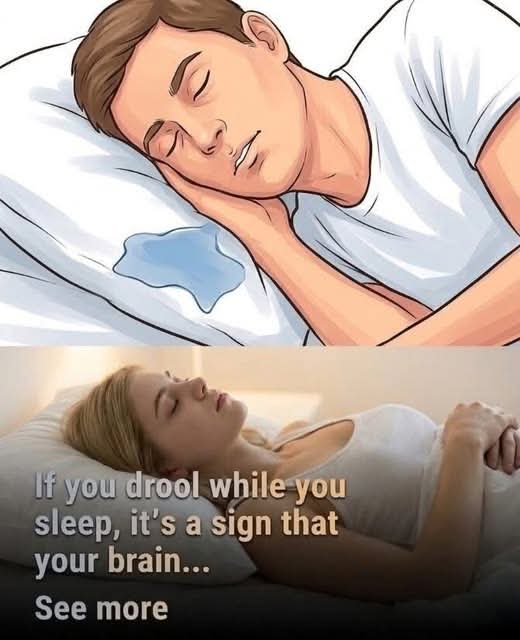
Drooling while you sleep may seem embarrassing, but in most cases, it is completely normal. It often happens when the body enters a deeper stage of rest, the muscles relax, and swallowing becomes less frequent. As saliva collects in the mouth, it may escape without you noticing.
This is especially common for people who sleep on their side or stomach. In these positions, gravity makes it easier for saliva to leave the mouth. Most of the time, occasional drooling is not a sign of illness. It is simply one of the body’s natural reactions during a relaxed sleep state.
One of the most common reasons is mouth breathing. When the nose is blocked because of allergies, a cold, sinus problems, or congestion, the body may automatically rely more on the mouth for breathing. This can make saliva leakage more noticeable during the night.
Certain habits and substances can also make drooling more likely. Alcohol, for example, may relax the muscles more deeply, while some medications can affect saliva production or muscle control. In many cases, small changes such as adjusting sleep position or improving nasal airflow can help reduce the problem.
Sleeping on your back with the head slightly elevated may help some people. Staying hydrated, treating congestion early, and keeping the bedroom air comfortable can also support better breathing during sleep.
Sometimes, drooling may be connected to acid reflux. When stomach acid irritates the throat, the body may produce extra saliva as a protective response. This can become more noticeable at night, especially when lying down.
Oral health may also play a role. Gum irritation, dental infections, mouth sores, or other dental problems can temporarily increase saliva production. Regular brushing, flossing, and dental checkups can help keep the mouth healthy and reduce irritation that may contribute to nighttime drooling.
For most people, occasional drooling is harmless and does not require concern. But if it appears suddenly, becomes excessive, or comes with symptoms such as trouble swallowing, facial weakness, speech changes, or numbness, medical advice should be sought promptly
In the end, the most interesting part is that drooling during sleep is usually not a sign that something is wrong. More often, it simply means your body is deeply relaxed, your muscles have loosened, and your brain has allowed you to enter a state of genuine rest.

